
Ground vs Roof Solar for Rural Blocks | Which Is Better?
For years, Wayne in Charleville handed over about $200 a month to the power company. Then a 10 kilowatt system went in on the ground beside his place. Here’s how he puts it: “Now I’m not seeing a bill at all, and I’m actually around $198 in credit each month.”
That’s a big swing for a bloke who used to open the bill with one eye shut.
What’s interesting is where the panels went. Not on the roof. They sit on frames out on the ground. And that’s the question every rural landholder runs into sooner or later: roof or paddock?
In town, it’s rarely a debate. You’ve got one roof, so the panels go on it. Out on a rural block, you’ve got options. A house roof, a big machinery shed, a bit of cleared ground near the switchboard. Each one works differently. If you’ve been wondering whether ground mount solar is worth the extra effort, this guide walks you through how to choose, in plain words.
Here’s the quick version. Roof mount is usually cheaper and quicker, and it makes sense when your roof is fairly new, faces the right way and has no shade. Ground mount suits a roof that’s old, small, crowded or pointing the wrong way, and it works well when you’ve got space. On a rural block, land is the one thing you’ve usually got plenty of.
What’s the Real Difference?
It comes down to where the panels sit.
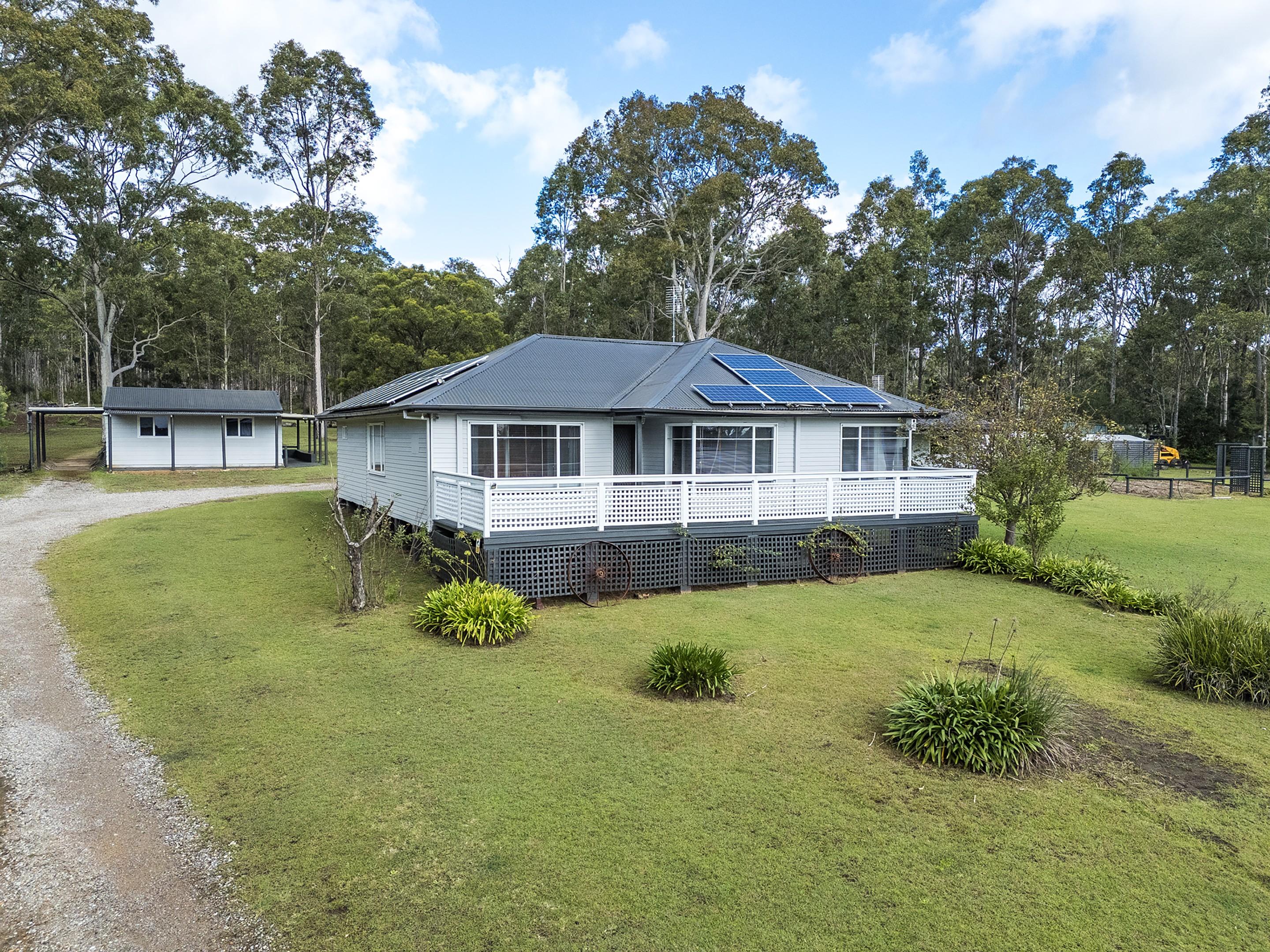
Roof mount means the panels are fixed to your house or shed roof, flat against the sheets or tiles. They use a roof you already have, so there’s less to build.
Ground mount means the panels sit on a steel frame set into the ground, usually in a clear, sunny spot. They’re set at an angle chosen to catch the most sun.
Same panels, same inverter, same job. Just a different home.
When Does Roof Mount Make Sense?
Roof mount is a solid pick when:
The roof is in good nick. If you’ll need a new roof in five years, you don’t want to pay to take panels off and put them back.
It faces the sun. A north-facing roof with plenty of open sky is ideal.
There’s no shade. Trees, silos and tall sheds can block the sun for part of the day.
There’s room. Rural systems tend to be bigger than city ones, often in the 10 to 25 kilowatt range, because of bores, pumps, workshops and cold rooms. That’s a lot of panels. Does your roof have the space?
You want it quick. Fixing panels to a roof is often a faster job, and there’s no ground to prepare.
It also keeps panels well out of the way of livestock, machinery and the odd stray football.
When Does Ground Mount Solar Win?
Plenty of rural properties find ground mount solar is the better fit. Here’s why.
Better angle and direction. On a roof, you get what the builder gave you. On the ground, you can point the panels exactly where the sun is strongest. That can mean more power from the same number of panels.
No shade. You pick a spot with clear sky all day. No trees, no chimney, no shed in the way.
No roof holes. Fixing panels to a roof means drilling into it. Some people don’t love that, especially on older roofs. Ground frames leave your roof alone.
Easy cleaning. Red dust and dirt are part of life out west. Panels at ground level are much easier to hose down or check than ones up on a roof.
It suits a tired roof. If your house roof is old, small or already crowded, the ground is often the smarter choice.
Wayne’s setup is a good example. A 10 kilowatt ground mount system took his roughly $600 quarterly bills and turned them into ongoing monthly credits. He didn’t have to fit a lot of panels onto an old roof, and he didn’t have to chase the shade around.
What About Shed Roofs?
Don’t forget this one. A big, open machinery shed or hay shed can be the best of both worlds. You’ve got lots of flat roof space, usually with no trees nearby, and the building is already there.
Shed roofs work best when the roof is in good shape, the shed is close to your power supply and the sheeting is strong enough for the job. A professional solar installer in NSW will look at the house roof, the sheds and the ground together, and tell you which spot gives you the most for your money.
What About Cost?
Roof mount is usually cheaper at the start. There’s less steel and less groundwork. Ground mount needs frames, footings and sometimes a cable run from the panels to the house. The longer that run, the more it adds.
But cost isn’t just the day-one price. Think about how many panels you can fit, how much power they’ll make and how much work it’ll take to keep them clean. A cheaper system that’s shaded half the day isn’t a bargain. Ask for numbers based on your own power bills, not a standard package.
What Should You Check on Your Own Block?
Grab a cuppa and walk around the property. Here’s what to look at.
Your roof. How old is it? Which way does it face? Is anything shading it?
Your sheds. Are any of them big, strong and well placed?
Open ground. Is there a flat, sunny spot close to the house or switchboard? The closer it is, the shorter the cable run.
Livestock and machinery. Ground panels may need to be fenced off from stock, and from where the tractor turns.
Fire and grass. Keep the area under and around the panels slashed and clear. Long grass and fire are a bad mix.
Your power supply. Is your property on a SWER line, or three-phase? Some lines have limits on how much power you can send back to the grid, and some jobs need extra checks from the network before they’re approved. In regional Queensland, that can add time, so it pays to start early.
Your usage. When do you use the most power? If your pumps and workshop run in the daytime, solar suits you well.
If you’re unsure, ground mount solar is worth pricing alongside a roof quote. It costs nothing to compare, and it can change your answer.
Quick Questions
Can I use both a roof and a ground system?
Yes. Some properties put a few panels on the roof and the rest on the ground or a shed, especially when they’ve got a big power load. An installer can plan it so everything works together.
Can I add more panels later?
Often, yes. Ground systems are usually easier to expand, because you can add another row. It’s worth mentioning your future plans at the start, like a bigger pump, more sheds or a battery.
What happens in a hailstorm?
Panels are built tough, but big hail can still do damage. Ask about the panel rating and check your insurance covers the system, whichever way you go.
Will cattle or kangaroos damage ground panels?
They can, which is why the area is usually fenced. A sturdy fence also keeps stock from rubbing on the frames.
Do I need council approval?
Many small rural systems don’t, but rules differ between councils and between a roof and a ground system. Check with your local council or ask your installer to confirm.
The Bottom Line
There’s no single right answer. A roof is quick and simple when it’s in good shape. The ground gives you the best angle, no shade and no roof headaches. And a shed can beat them both. What matters is matching the system to your block, your power use and your plans.
At Rural Solar, we look at your roof, sheds and open ground together before we suggest a thing. Call us on 1800 207 728 for a free quote, and we’ll work out what makes sense for your place.