


GO SOLAR WITH $0 UPFRONT. OWN IT. SAVE MORE.
Battery storage gives your home greater energy control by storing excess solar power for later use, reducing grid reliance and improving day to day efficiency.


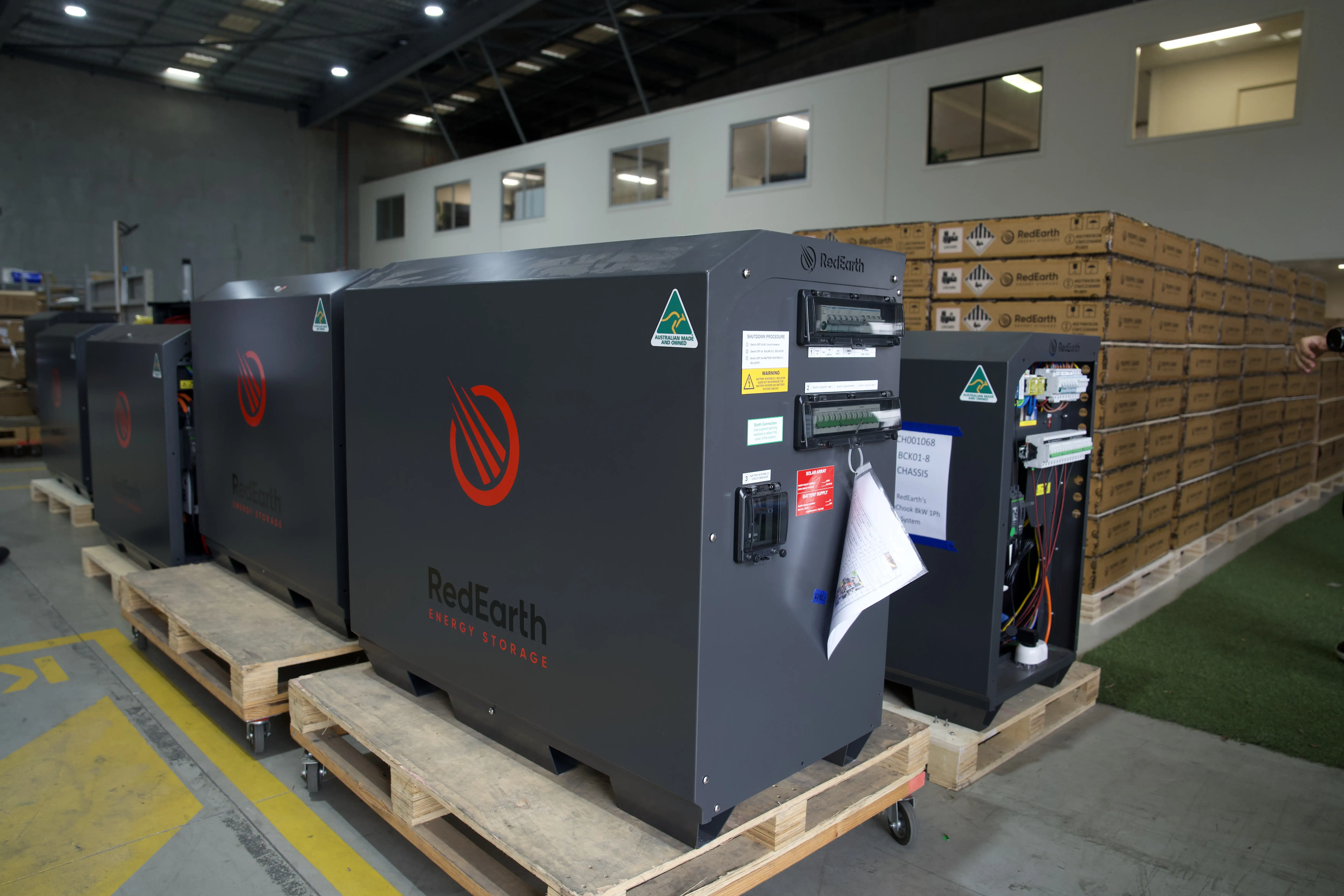
At Rural Solar, our team delivers professional residential battery storage solutions designed to help homeowners store excess solar energy and gain greater control over their electricity usage.
Our experienced solar and electrical specialists design and install battery systems that integrate seamlessly with your solar setup, allowing you to store energy generated during the day and use it when your home needs it most.
Whether you are looking to reduce reliance on the grid, improve energy independence, or maximise the value of your solar system, our team delivers reliable battery storage solutions engineered for safety, performance, and long term reliability.
Get a FREE Quote

Battery System Design
Our team assesses your home’s energy usage and solar production to determine the most suitable battery capacity and configuration.

Professional Battery Installation
Licensed electricians install battery storage systems safely and securely, ensuring proper electrical integration with your solar and home energy systems.

System Integration & Configuration
We configure the battery system to work seamlessly with your solar system, allowing excess solar energy to be stored and used when required.

Monitoring & Performance Setup
Battery monitoring platforms are configured to help homeowners track energy storage, usage, and system performance.
Get a FREE Quote
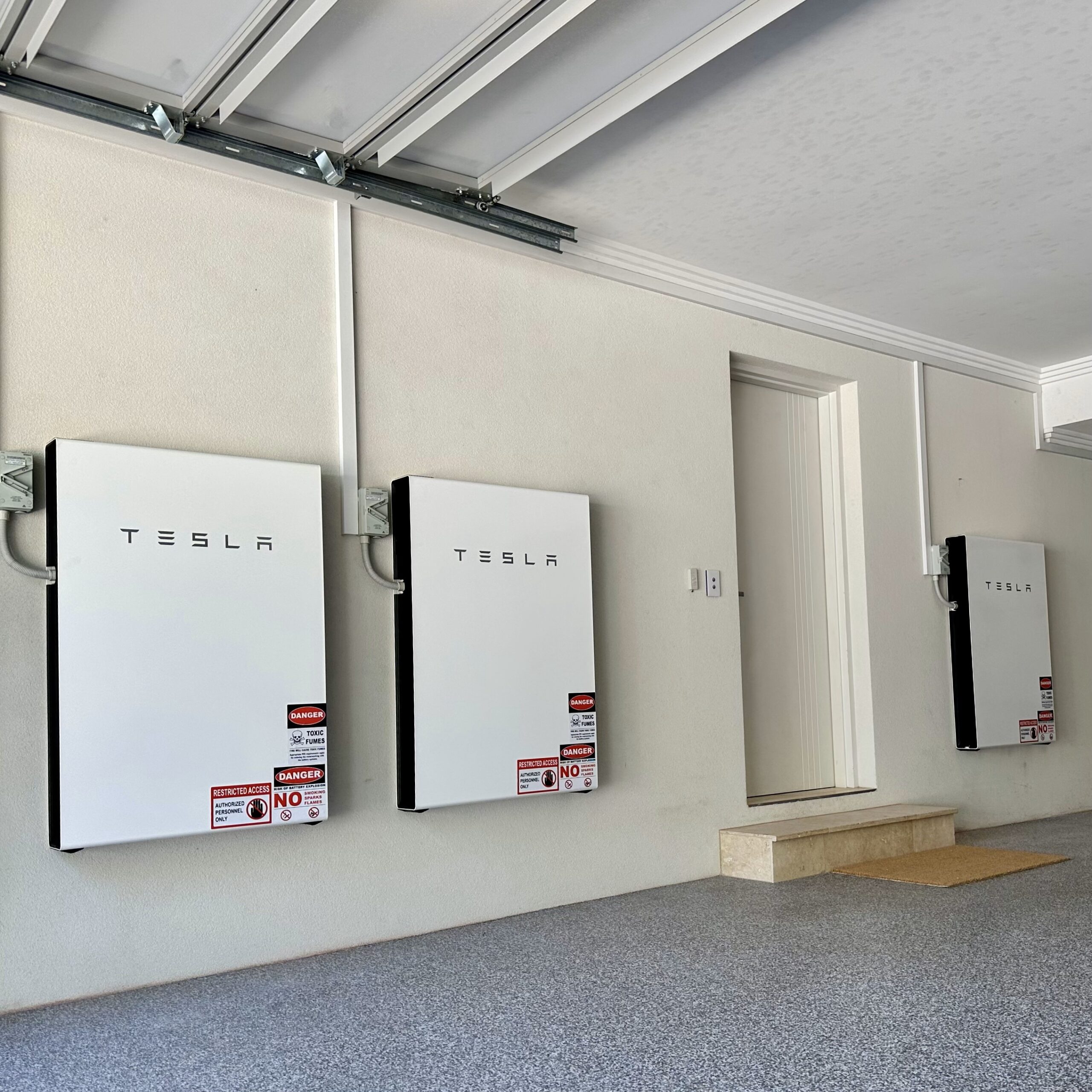
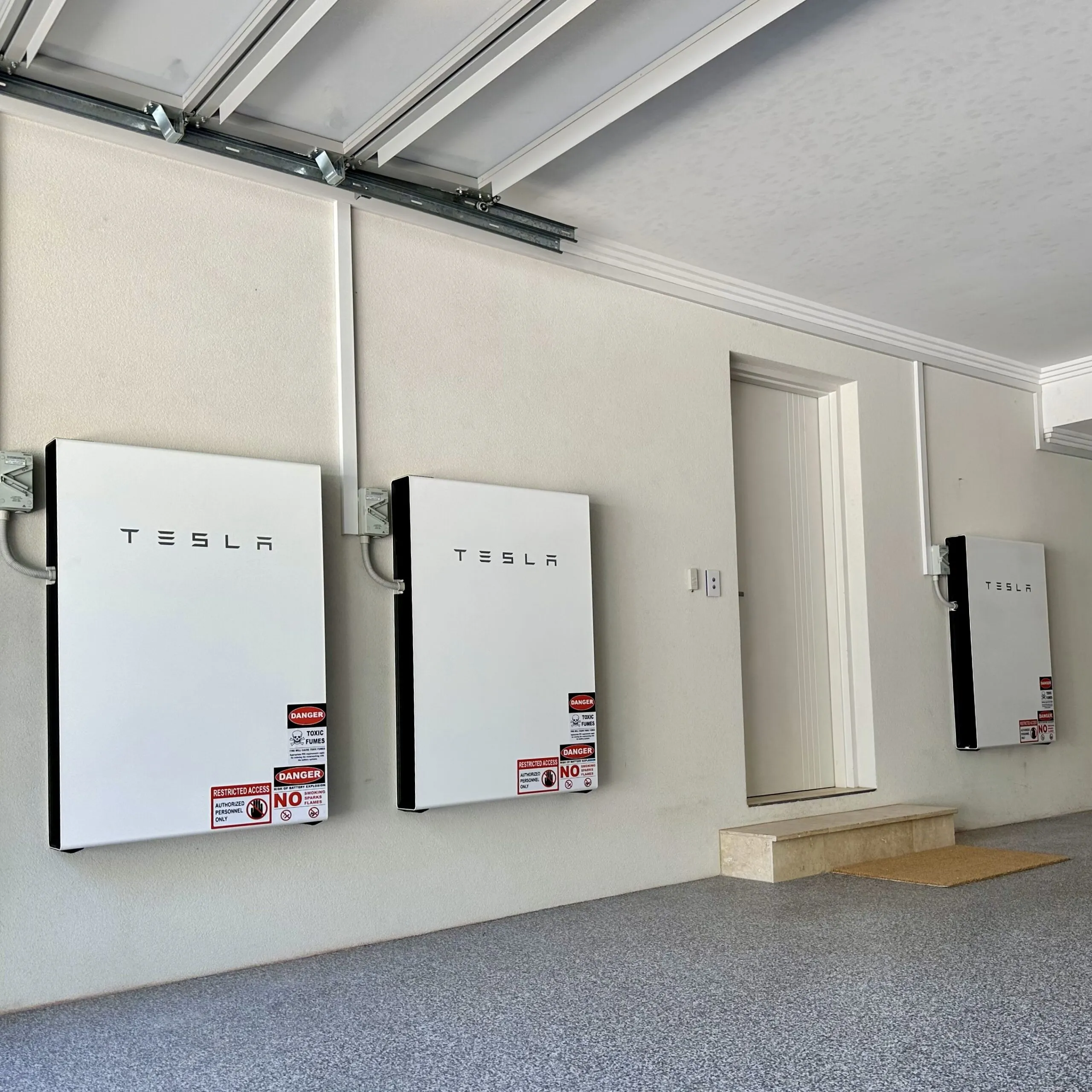

Greater Energy Independence
Battery systems allow homeowners to store solar energy and reduce reliance on the electricity grid.

Improved Solar Utilisation
Instead of exporting excess solar energy, stored energy can be used later when your home requires power.

Backup Power Capability
Some battery systems can provide backup power during outages, helping keep essential appliances running.

Long Term Energy Stability
Battery storage helps protect households from rising electricity costs while maximising the value of their solar investment.
Get a FREE Quote
Book a Consultation
Tell us a little about your site and we will confirm the next steps.

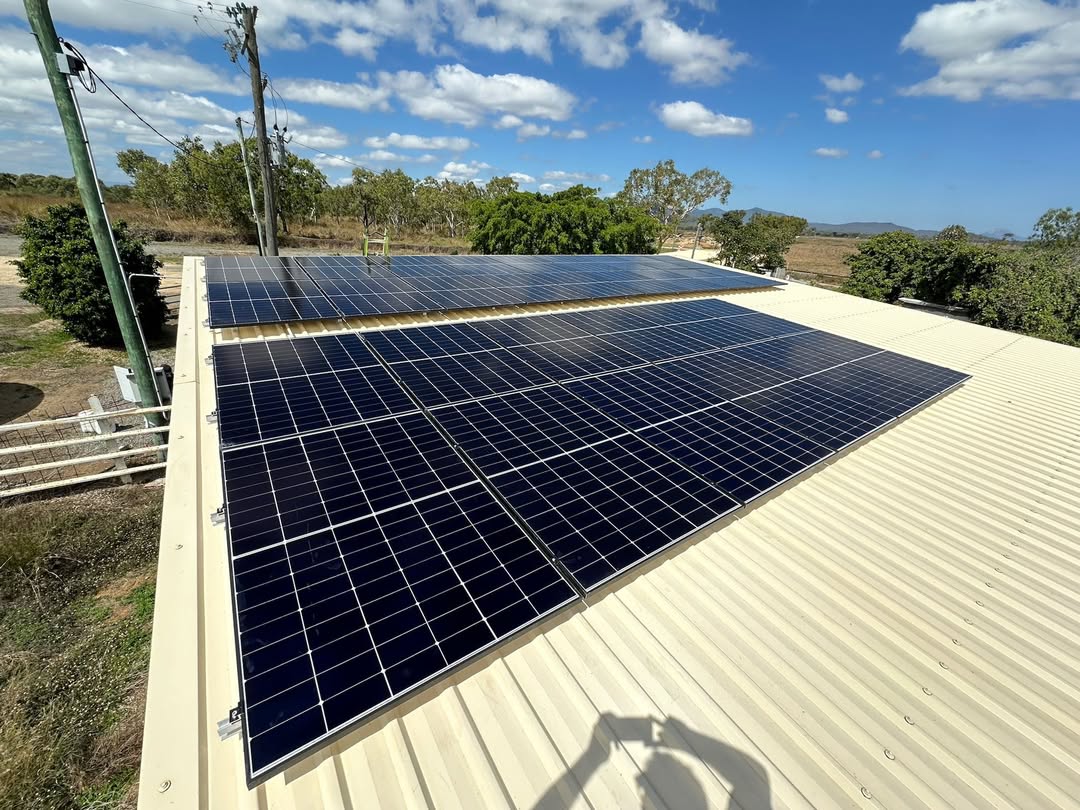
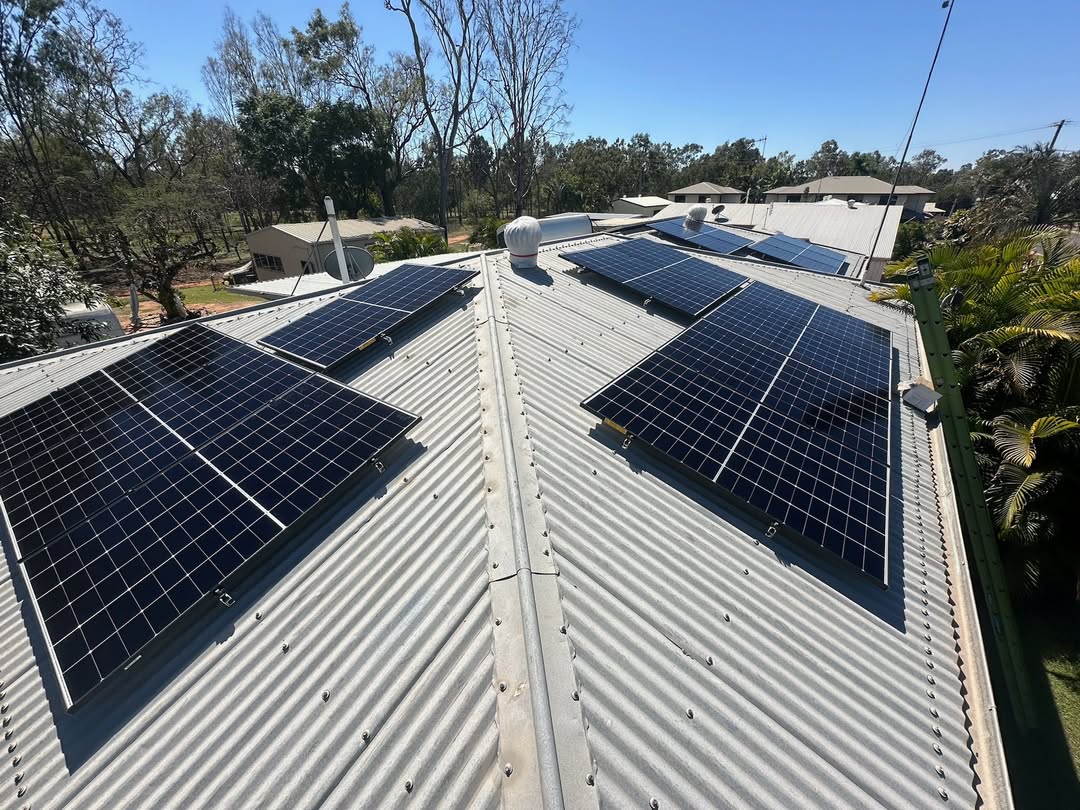
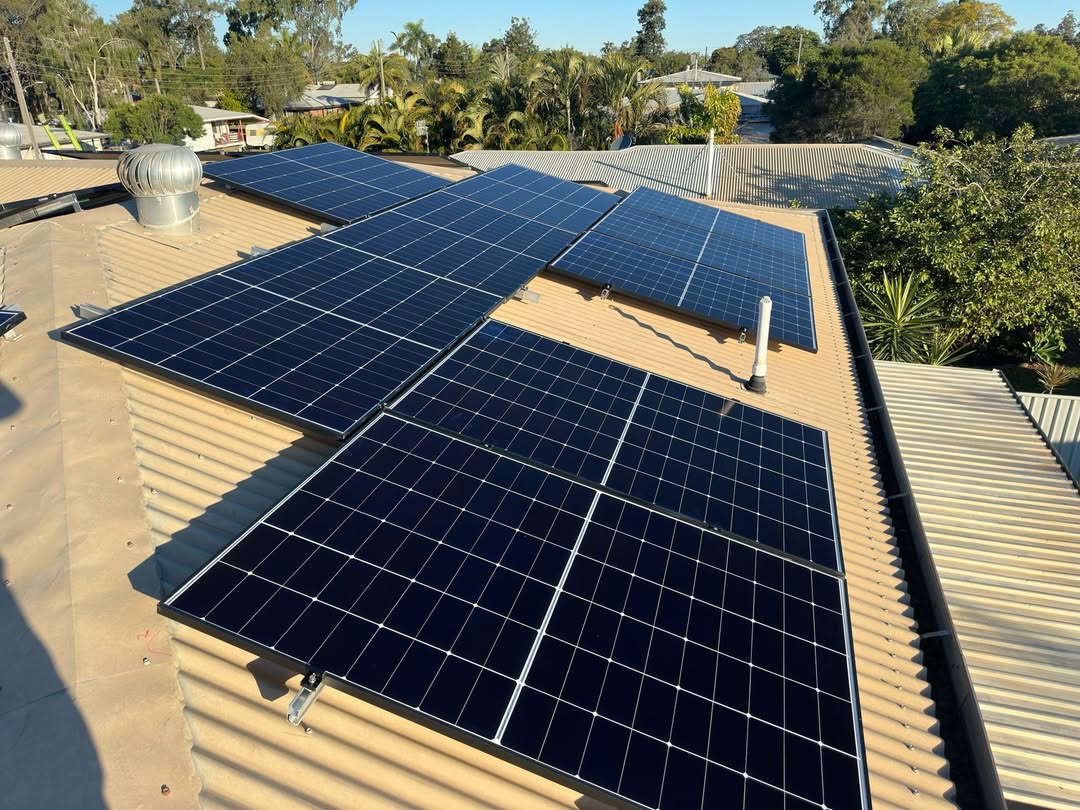
Explore a selection of Rural Solar projects across NSW and Queensland, real systems installed for real homes and businesses, built for performance, compliance, and long term savings.

Get a Free Quote
View All
How much does a solar battery cost in QLD and NSW?
Solar battery cost depends on usable capacity, brand, and whether backup circuits are included. Most homes install between 10kWh and 20kWh, while farms and rural businesses often go larger. The federal battery rebate currently takes roughly 30% off the upfront cost, and Rural Solar’s $0 upfront option means you can install battery storage without a large initial outlay.
Is there a government rebate for home batteries in 2026?
Yes. The federal Cheaper Home Batteries Program, delivered through Small-scale Technology Certificates, discounts eligible battery installations by around 30% off the upfront cost. It’s applied by your installer at the point of sale—there’s no application form and no waiting for a refund. The rebate rate now steps down every six months, so the discount shrinks the longer you wait.
Am I eligible for the battery rebate?
Eligibility isn’t means-tested and there’s no income test. Your battery needs to be between 5kWh and 100kWh nominal capacity, connected to a new or existing solar system, and both the battery and inverter must be on the Clean Energy Council-approved product list. Certificates apply to the first 50kWh of usable capacity. We confirm eligibility and apply the discount to your quote.
How big a battery do I need for my home or farm?
Battery sizing should be based on your evening and overnight energy use, not your total daily consumption. Most households land between 10kWh and 20kWh. Rural properties with bore pumps, cold rooms, workshops, or multiple dwellings often need considerably more. We review 12 months of your actual usage data before recommending a capacity.
Can I add a battery to my existing solar system?
Yes. Retrofitting battery storage to an existing solar system is common. Depending on your current inverter, we’ll either add an AC-coupled battery that works alongside it, or replace the inverter with a hybrid unit. AC-coupled retrofits are usually simpler and let you keep the solar system you already have. We assess which option suits your setup during the site visit.
Will a battery keep my power on during a blackout?
Only if it’s installed with backup capability—not every battery includes it by default. A battery with a backup gateway isolates your home from the grid during an outage and keeps nominated essential circuits running. On rural properties where outages are longer and more frequent, backup is usually the main reason people install storage in the first place, so we design for it deliberately.
Can a battery run my whole house during an outage, or just some circuits?
Most systems power selected essential circuits—fridge, lights, power points, internet, and often a pump—rather than the entire property. Whole-home backup is possible but requires a larger battery and higher backup output, particularly for air conditioning and motor loads like pumps and compressors. We’ll map out which circuits matter most to you before designing the system.
Can I go completely off-grid with battery storage?
It’s possible, and on some remote properties it’s cheaper than paying for a new grid connection. Off-grid systems need significantly more solar and battery capacity plus a backup generator for extended overcast periods, because there’s no grid to fall back on. If you’re already connected, a hybrid grid-connected system with backup usually delivers better value than going fully off-grid.
Is a battery worth it if my property is on a SWER line with a low export limit?
Yes, arguably more so than for metro homes. If you’re on a SWER connection with a 2kW export limit, most of your solar generation has nowhere to go once your daytime loads are met. A battery captures that otherwise wasted energy and uses it at night, which is exactly where the return comes from on rural properties.
What’s the payback period on a solar battery?
Payback depends on your usage pattern, electricity tariff, feed-in rate, and how much of your solar is currently being exported for a low return. With the federal rebate applied and falling feed-in tariffs, most households and farms are seeing shorter payback than a few years ago. Properties with high evening use and poor export value pay a battery off fastest.
How long do solar batteries last?
Modern lithium batteries typically carry a 10-year warranty covering both years and throughput cycles, and are usually warranted to retain around 70% of their original capacity at end of term. Real-world life often exceeds the warranty period. We’ll walk you through the specific warranty terms for the battery we recommend, including the cycle limits, not just the headline year figure.
Are home batteries safe to install on a rural property?
Yes, when installed to Australian Standard AS/NZS 5139 by licensed electricians. That standard governs where a battery can be located, clearances from windows, doors, and habitable rooms, and fire separation requirements. Rural properties often have an advantage here: shed and garage installs with plenty of clearance are usually straightforward. Location is confirmed during the site assessment.
Should I install solar and a battery together or separately?
Together is usually cheaper. One connection application, one install visit, and one set of travel and access costs—which adds up quickly on rural properties. It also avoids a second network approval and a possible inverter replacement later. If the budget doesn’t stretch to both now, we design your solar installation to be battery-ready.
Which battery brands do you install?
We install Clean Energy Council-approved battery systems from established manufacturers with local Australian support, which matters far more on a rural property than a metro one, because warranty response times are longer when you’re hours from a capital city. We recommend based on your site, load profile, and backup requirements rather than pushing a single brand. [Insert the client’s actual approved brands here.]
Can I join a VPP or sell stored energy back to the grid?
Some batteries can be enrolled in a Virtual Power Plant, where your retailer draws on your stored energy during peak demand in exchange for credits or a sign-up payment. VPP availability varies by retailer and by network area, and participation can reduce how much stored energy you have for your own use. We’ll flag which batteries are VPP-capable if that’s something you’re considering.

rural solar Solutions
rural solar Solutions
rural solar Solutions