
Buying a Solar System? Read This First | Expert Guide
You've probably noticed your power bills creeping up. Maybe you've had a few sleepless nights wondering how to get them under control. Or perhaps you're just tired of feeling like there's nothing you can do about rising energy costs.
Solar sounds like the obvious answer, right? Harness the sun, slash your bills, and do something good for the planet. It makes sense. But here's the thing-not all solar installations are created equal. And if you jump in without doing your homework, you could end up with a system that doesn't deliver the savings you were promised.
This guide breaks down what you actually need to know before you buy. No fluff. Just practical advice from people who've been installing solar across Queensland and NSW for years.
What You'll Learn Here
The key questions to ask before committing to any solar installation
Why system size matters more than you might think
What financing options are available and how they work
How to spot a quality installer versus someone just chasing a quick sale
What ongoing maintenance looks like and why it matters
Why Solar Makes Sense for Rural Homes and Businesses
Solar isn't just for city dwellers with neat little rooftops. For rural properties across Queensland and NSW, solar can be life-changing.
Rural homes and businesses often face higher energy costs because they're further from the grid. They deal with longer power outages, bigger properties, and more demanding energy needs. A well-designed solar system doesn't just lower bills-it provides genuine energy independence.
Rural Solar has built a reputation for delivering custom solar solutions tailored to the unique needs of rural properties. From ground mounts that work with your land layout to hybrid systems that keep you powered during outages, the right installation makes all the difference.
Whether you're running a farm, a rural business, or just a family home in the country, solar can work for you. The key is getting the design right.
The Real Cost of Going Solar
Let's talk money, because that's what everyone really wants to know.
The upfront cost of solar has dropped dramatically over the past decade. But the real question isn't just what you pay today-it's what you save over the life of the system.
Consider these real examples from Rural Solar customers:
A 13kW system installed in Charleville dropped quarterly bills from over $1,000 to as low as $36.
A 10kW ground mount system turned $600 quarterly bills into monthly credits.
Another 13kW system brought a January quarterly bill to $0 while generating export credits.
And a 10kW replacement system took bills from $500 a quarter to $300-$350 in credits.
These aren't hypothetical numbers. These are real results from real homes.
The savings come from two places: using the power you generate (instead of buying it from the grid) and exporting excess power back to the grid for credits. The more you can shift your usage to daytime hours, the bigger your savings.
Battery storage takes this even further. It lets you store excess power for use at night, during peak times, or during outages. For rural properties with unreliable grid access, that's a game-changer.
Choosing the Right Installer: What to Look For
This is the most important decision you'll make. Here's what separates the good from the great:
Local knowledge. An installer who understands your area knows the local conditions, the council requirements, and the common issues rural properties face. Rural Solar has deep experience across Queensland and NSW, from coastal properties to inland farms.
Transparent communication. From your first enquiry to final sign-off, you should feel informed and confident. Rural Solar's team is known for clear communication and honest advice.
Proper licensing and compliance. Your installer should be fully licensed and insured. They should handle all the paperwork, including rebate applications and grid connection approvals.
Quality workmanship. A neat, tidy installation isn't just about looks—it's about safety and long-term performance. Poorly installed systems can develop issues that cost more to fix than you saved.
After-sales support. What happens if something goes wrong? A good installer stands behind their work. Rural Solar's customers consistently praise their responsiveness and willingness to sort out any issues.
Key Takeaways
Solar installation service QLD isn't one-size-fits-all, your system should be designed around how your household or business actually uses power
The cheapest quote is rarely the best value-quality components and proper installation save you money over the long run
Government rebates and $0 upfront options make solar accessible, but you need to understand the fine print
Battery storage can take your savings to the next level, especially for rural properties with unreliable grid access
Choosing the right installer is the most important decision you'll make- experience and local knowledge matter
The Questions Most People Forget to Ask
Before you sign anything, run through this checklist. Most people skip these questions and regret it later.
1. How big does my system actually need to be?
This isn't a guessing game. A proper solar installation starts with a thorough assessment of your energy usage. How much power do you use daily? When do you use it most? Do you plan to add an electric vehicle, a pool pump, or a workshop in the future?
A system that's too small won't cover your needs. One that's too big wastes money. The sweet spot depends on your specific situation.
2. What's the deal with upfront costs and financing?
Solar has never been more accessible. Rural Solar offers $0 upfront options where you own the system from day one and start saving immediately. That means no leasing, no third-party ownership-just a system that's yours, paying for itself from the moment it's installed.
But not all financing is the same. Ask about interest rates, repayment terms, and what happens if you sell your property. A good installer will walk you through all of this clearly.
3. Am I getting quality components or budget bin specials?
Here's where a lot of people get tripped up. Two quotes might look similar on paper, but one uses premium panels and inverters while the other cuts corners on components.
Quality matters. Cheap panels degrade faster. Cheap inverters fail sooner. And replacing faulty gear eats into your savings. Ask what brands they're installing and why. A reputable installer will be proud to tell you.
4. Who's actually doing the installation?
This is a big one. Some companies sub-contract their installations to whoever's available. That means you don't know who's turning up on your roof.
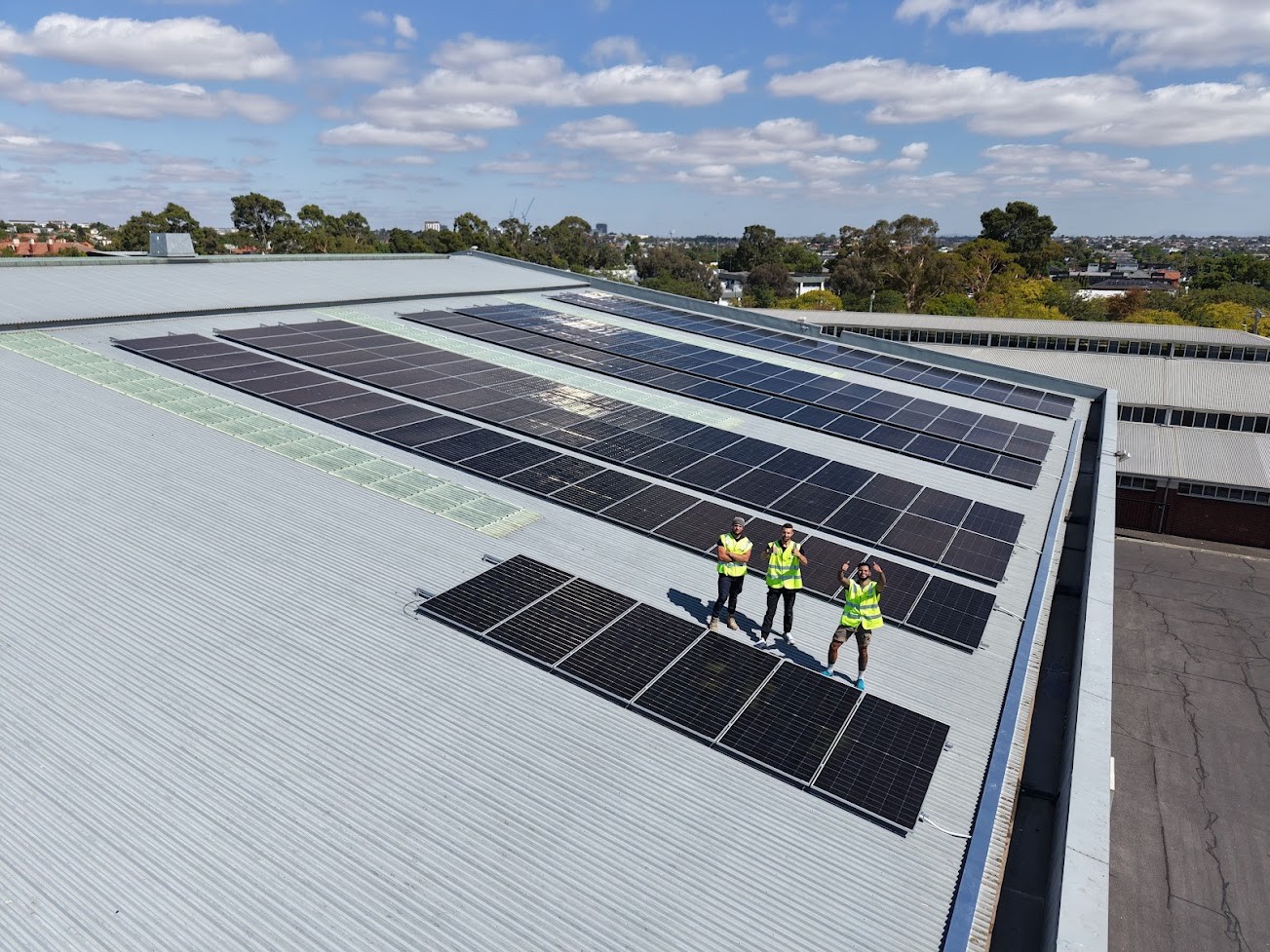
With Rural Solar, you deal with a real team who plans the job, communicates clearly, and delivers it safely and on time. The installers are part of the team—not random subbies. That consistency shows in the quality of the work.
5. What happens after installation?
A solar system isn't a set-and-forget purchase. You want ongoing support, monitoring, and maintenance to keep it performing at its best.
Rural Solar offers monitoring and optimisation services so you can track your system's performance. We also provide maintenance and support to catch issues before they become problems. That peace of mind is worth a lot.
Ready to explore your options? Reach out to the Rural Solar team for a free, no-obligation quote. We'll take the time to understand your needs and recommend a solution that actually works for you.