
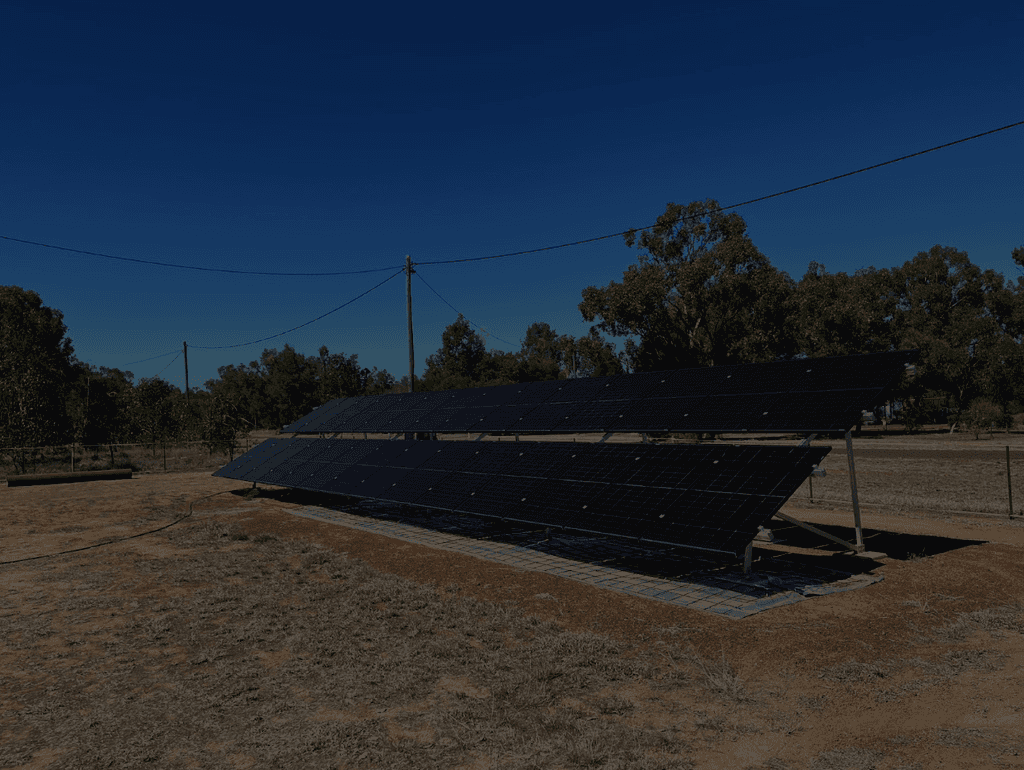




Outside town, much of our work is on cattle and grazing properties, along with grain and sorghum farms. Every property has different equipment, seasonal demands and power requirements.
Our common Roma installations include:
Bore and trough pump systems for stock water
Shed and machinery power for grain handling
Homestead systems built to handle seasonal spikes, particularly around harvest
Battery backup for properties on the edge of the grid where outages are more common
Standalone systems for stock yards or secondary sheds away from the main house

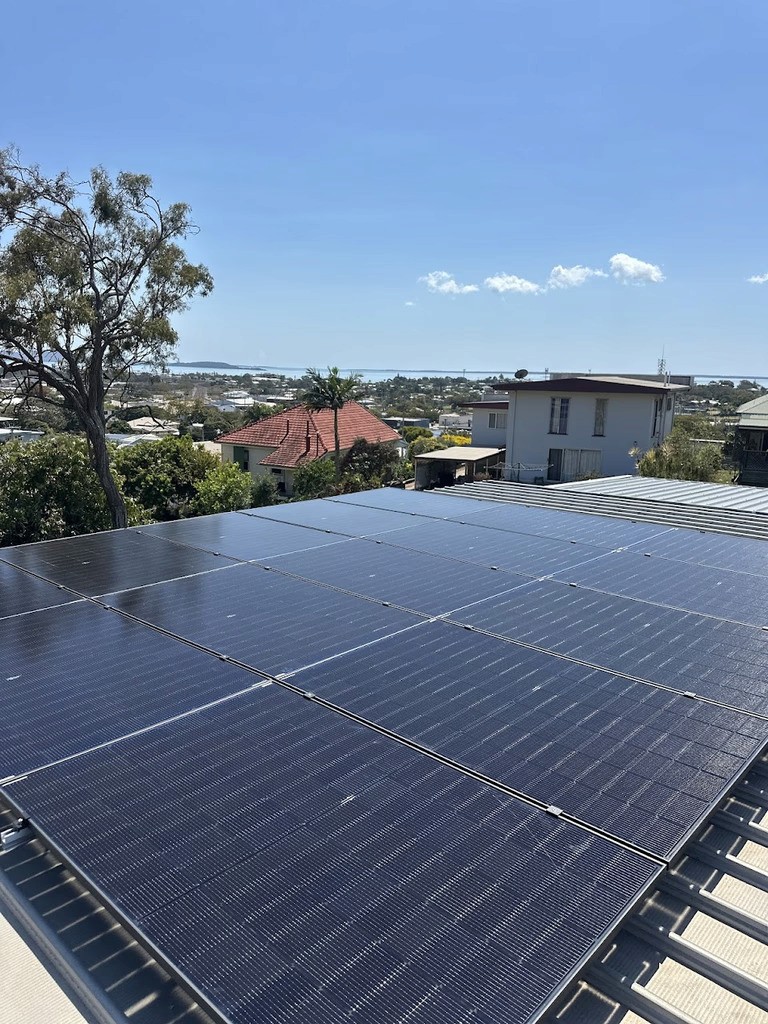
If you run a business in or near Roma, transport, ag supply, processing, hospitality, solar can cut a serious chunk off your power bill. We look at your usage pattern first. Most Roma businesses run heavy during daylight hours, which is exactly when solar produces the most. That alignment between when you use power and when solar generates it is what makes commercial solar such a strong option here.
We also factor in future growth. If your business is likely to add another shed, another coolroom, or extra equipment in the next few years, we'll talk through if it makes sense to size the system with that headroom built in now, rather than needing a second install down the track.

Commercial solar for local businesses
Farm and grazing property systems
Battery storage and backup power
Bore and pump solar setups
Shed and outbuilding solar
Single and three phase systems for larger loads

rural solar Solutions
rural solar Solutions
rural solar Solutions

We'll come out, look at how your property or business actually uses power, and quote a system that matches it, not an off the shelf size picked to fit a brochure.
Can solar help offset the cost of running saleyard adjacent businesses, like transport or ag supply?
Yes. Many businesses near the saleyards run heavy daytime power loads (coolrooms, workshops, loading equipment). These loads line up well with solar production hours, which is where the biggest savings usually show up.
Does Roma's gas industry history affect solar approvals or connections?
No. Grid connection and approval for solar in Roma follows the standard Queensland process, regardless of nearby gas infrastructure. It doesn't add extra steps.
What size system does a typical Roma cattle property need?
It depends on pump load and homestead size, but many grazing properties around Roma end up in the 10–15kW range once bore pumps and shed power are factored in. We size it after seeing your actual setup, not before.
Is there a difference in payback time for commercial vs residential solar in Roma?
Commercial systems often pay back faster because businesses use more power during the day, when solar output is highest. Residential systems can still pay back well, just usually over a slightly longer period.
Can you supply and install larger three phase systems for bigger Roma properties?
Yes, we handle single and three phase installs, which covers most larger rural and commercial properties in the area.
Do you offer maintenance or servicing after the initial install, or just the one off job?
We offer ongoing servicing, not just a one off install. Given how much Roma businesses and properties rely on their systems, keeping it running properly matters more than a quick installation.