Royal Edinburgh Military Tattoo Brisbane | Is Your Solar System Ready?
Brisbane starts to feel different as October approaches. The weather warms up, and the city gears up for the Royal Edinburgh Military Tattoo. For many households, it also means visitors. Family stays over, the fridge is fuller than usual, lights stay on later, and the air conditioner gets a proper workout. Homes that are normally quiet suddenly feel busy.
During all of this, your solar system is working harder than usual. Panels and solar inverters that cope fine with everyday use are suddenly expected to handle extra showers, more cooking, constant phone charging, and longer evenings of power use. A system that’s been ticking along unnoticed can struggle when demand jumps.
That’s why the lead up to the Tattoo is a good time to check how your solar is performing. Small issues like dirty panels, weak output, or an ageing inverter often don’t show up during normal use. But when your household starts running like a small hotel, those problems become obvious. Making sure your system is ready now helps avoid higher bills and power shortfalls when you need it most.
Why Tattoo Season Puts Solar to the Test
Consider the amount of power that your home is used to, and then multiply that by two. Increased number of people also implies increased number of showers, increased number of laundry, increased number of cooking and running of appliances throughout the day. The refrigerators are open all the time, dishwashers are run more frequently and televisions are hardly ever taken off.
It is at this point that solar performance does count. When a component of your system is not functioning as it should, you will know very quickly, more grid use, increased bills, or less than guaranteed output on your solar system, even on sunny days. The idea of checking your system and making sure that you are getting the most of your solar is useful before the rush season.
The Silent Saboteurs: What to Check Before the Guests arrive.
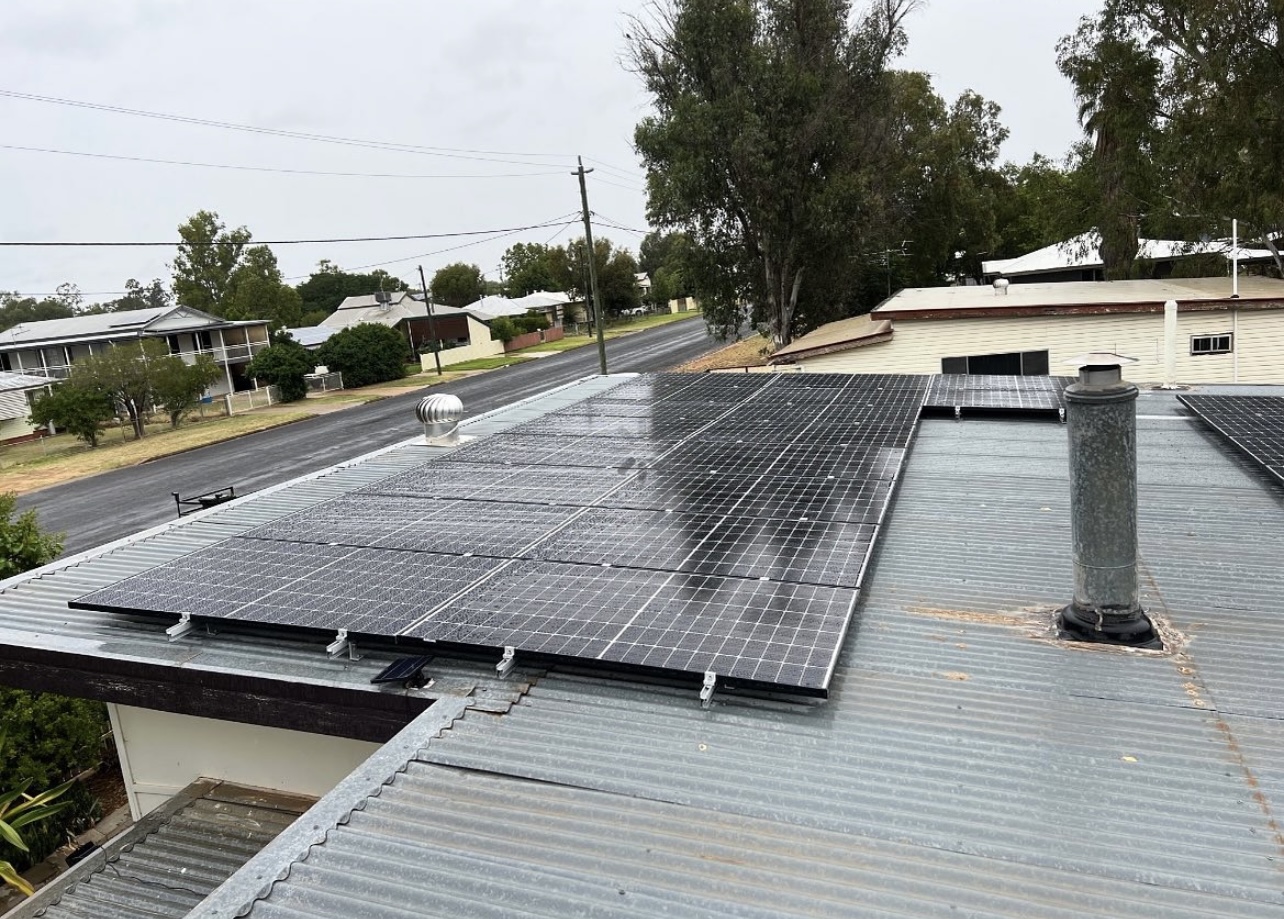
Your solar system is rough, though it is still on your roof, and it is open to all of Brisbane. In the course of the year, a couple of silent issues may gain momentum.
• The Unseen Grime: We have our share of dust, summer storm debris and even bird droppings. A coat of mud may not seem like much but it can stop a lot of sunlight, such as attempting to understand through a dusty windshield. This is the least complicated solution but has one of the most significant performance effects.
•The Shifting Shadows: That lovely Jacaranda or Gum tree that’s grown a bit over the last year? Its new shadow might now be falling across a section of your panels for a few critical hours in the afternoon, effectively shutting down a whole string of them. Seasonal sun angle changes mean a shadow that wasn’t a problem in winter can be a major issue in spring.
•The Ageing Heart (Your Inverter): The inverter is the brain and heart of your system, converting all that solar DC power into usable AC power for your home. They typically last 10 15 years. If yours is getting on in age, it might be becoming less efficient or, worse, be at risk of a complete failure. A failing inverter doesn’t always just stop; sometimes it just quietly produces less.
•Physical Damage: After hail storms or high winds, it’s worth a careful look (with binoculars, please—stay off the roof!). Look for cracked panels, loose mounting, or any visible wear on cables. Even minor physical damage can drastically reduce output and be a safety risk.
Your Pre Event Solar Health Checklist
Look, you don't need to be an electrician to get a good feel for how your solar is travelling. Spending twenty minutes on a quiet Saturday morning doing these few simple checks can save you a real headache later. Think of it like checking the oil in your car before a big road trip down to the showgrounds.
First, get friendly with your app. Almost every solar system installed in the last decade has a monitoring app on your phone. Don't just open it, see a big number, and close it again. On the next perfectly sunny day, pull up the daily graph. What you want to see is a nice, rounded hill—it should start low in the morning, peak beautifully around midday, and taper off in the afternoon. If that graph looks more like a jagged mountain range with sudden cliffs and valleys, something's off. Those sharp dips are your system waving a little red flag. It could be a single panel has given up the ghost, a new branch is casting a shadow, or the inverter is having a bad day.
Next, grab the binoculars. Seriously, it's the safest way to get a good look. From your backyard, scan across the panels. You're looking for anything that doesn't look right. Is there a thick layer of grey dust or a splattering of bird droppings? Is one panel looking noticeably darker than its neighbours? Can you see any visible cracks? Also, look around the panels. Has that tree you planted grown just enough to throw a shadow across the corner of the array during peak sun hours?
Now, listen. Your inverter, usually mounted on the side of the house, has a quiet, steady hum when it's working properly. If you walk past and it’s started buzzing loudly, making a repetitive clicking noise, or just sounds generally distressed, it’s trying to tell you something. Same goes for any glaring error codes on its little digital screen.
Finally, do a quick bill check. Dig out your last few electricity bills and compare them to the same time last year. Is the amount of solar energy you're using yourself still about the same, or are you suddenly buying a lot more power from the grid during daylight hours? If it’s the latter, your system isn't pulling its weight like it used to.
When It's Time to Call in the Experts
You can handle the looking and the listening. But some jobs absolutely need a licensed solar technician with the right gear and training. If your own checks turn up any of the following, it's time to make the call:
Your energy production has absolutely plummeted. If your app shows your system is now producing half of what it did last October, that's a major sign something has failed.
The inverter is shouting at you. Constant error messages or alarm lights aren't a suggestion; they're a demand for professional attention.
You see actual damage. Any cracks, discoloured/burnt spots, or frayed wiring are serious safety and performance issues.
It's just been years. If you can't remember the last time someone looked at it, a professional service is a great idea. A good tech will do more than just clean the panels. They'll test all the electrical connections for wear, make sure everything is tight and safe, and confirm the whole system is running as efficiently as it should be.
Sit Back and Enjoy the Show, Sun Powered
There's something pretty satisfying about knowing your big, busy household during the Tattoo is being powered by Brisbane's own sunshine. A little bit of simple preparation helps make sure that quiet workhorse on your roof is ready for its moment in the spotlight. Getting it sorted means one less thing to worry about, so you can pour your energy into being a great host, enjoying the incredible spectacle, and maybe boasting just a little about how you're running it all on clean energy.
Make your solar system part of the preparations. Book a pre Tattoo solar health check with Rural Solartoday. Ensure your home is powered for performance, so you can focus on enjoying the pipes, the drums, and the company.
