Power Panel Safety 2026 | Signs Your Home Panel Isn’t Safe
How Do You Know If Your Home's Power Panel Is No Longer Safe in 2026?
When is the last time you looked at your power panel?
You know the one. It is that grey box usually stuck in the laundry, the garage, or some random cupboard in the hallway. The one with all the switches. You probably only open it once a year when a circuit trips. You flick the switch back on and forget about it for another year.
But here is the thing you need to know.
That box runs your whole house. Everything. The lights. The TV. The air con. The oven. The stuff you plug in every day. If that box is struggling, your whole house is at risk.
It is 2026 now. Homes are not what they used to be. We have got solar panels on roofs. Batteries in garages. People charging electric cars in the driveway. We use way more power than we did twenty years ago.
So here is the question. Can your old power panel handle all that? Or is it quietly becoming a danger without you knowing?
Let us go through the signs together.
The Age of Your Panel Matters
Think about when your house was built.
If it was built in the 80s or before, your power panel is probably the original one. That means it was made for a different world. Back then, a house had a TV, a fridge, and maybe a stereo. That was it.
Now look at your house. You have got ducted air con. Big fridges. Home theatres. Pool pumps running all summer. Kids charging scooters. Maybe a second fridge in the garage. All of that power runs through the same old box.
Old panels often have old-style fuses that screw in, or clunky trip switches. They worked fine back in the day. But they are slow. If something goes wrong, they might not react fast enough to stop a fire.
They also do not have safety switches. You know the ones I mean. They have a little button that says "T" or "Test" on them. Those things save lives. If you touch a live wire, they cut the power in a split second before the electricity stops your heart.
If your panel does not have those buttons, you have no shock protection. That is a big deal. That is your family's safety on the line.
The Solar Question
A lot of homes have jumped on the solar bandwagon in the last ten years. Good on you if you have. It saves money and helps the planet. But here is something a lot of folks do not think about.
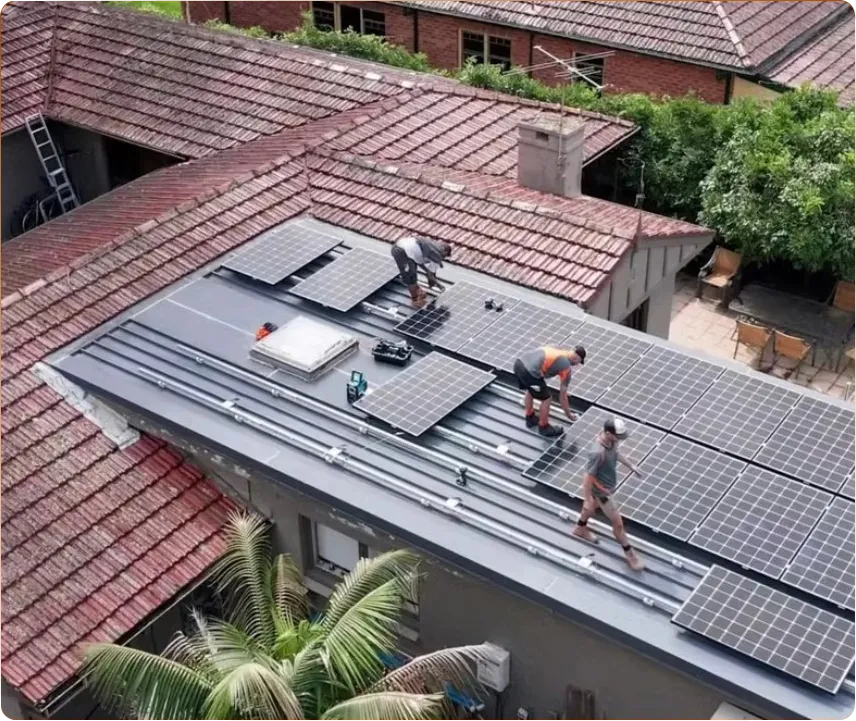
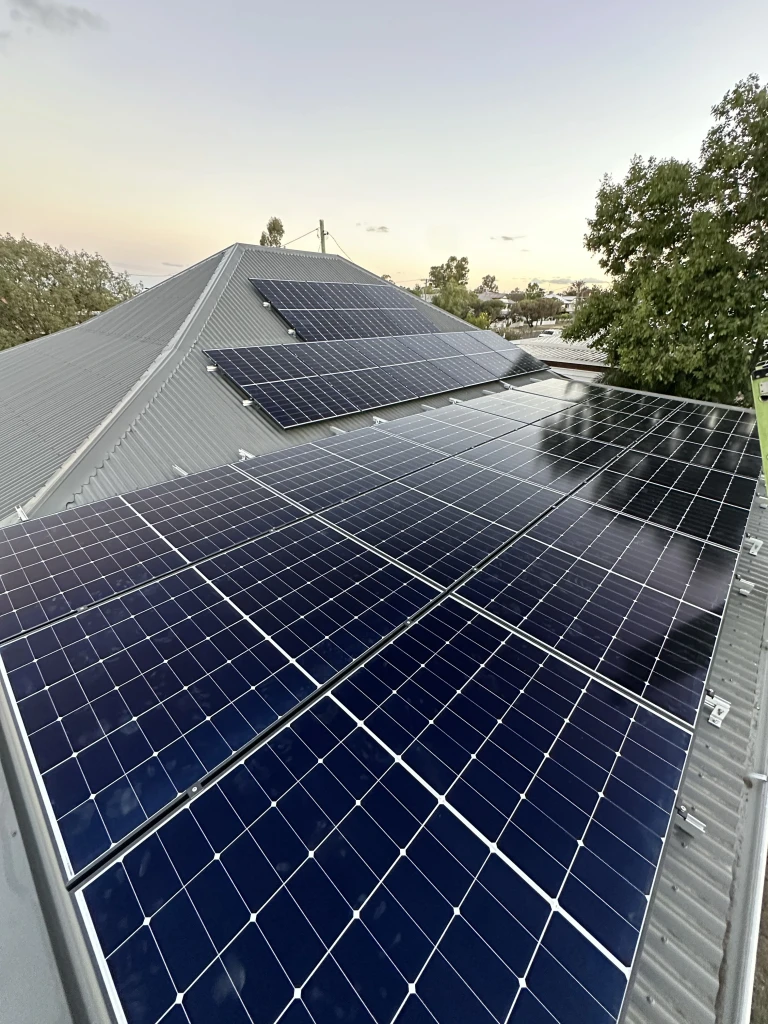
Adding solar panels means adding more gear to your system. You have got the panels on the roof, the inverter on the wall, and maybe a battery in the garage. All of this needs to connect safely to your power panel. If your panel is old and maxed out, it might not be able to handle the extra flow.
A proper solar panel installation should always include a check of your existing switchboard. A good installer will look at it and say, "Actually, we need to upgrade this before we put the solar in." If they do not mention it, ask. Because if your panel is not up to scratch, the whole system is compromised.
The same goes for solar inverter repairs. If your inverter keeps playing up or tripping, it might not be the inverter itself. It could be your old power panel struggling to cope with the back and forth of power. Modern inverters are sensitive. They trip for a reason. If your panel is old and dodgy, it can cause all sorts of dramas.
And if you have added a solar battery to store all that daytime power for the evening, that is even more strain on the system. Batteries are great, but they need a modern panel with proper circuit breakers and safety switches to manage the flow safely. If your panel is from the last century, that battery might be sitting on a shaky foundation.
The Physical Signs
You do not need to be a sparky to spot trouble. Go and have a look at your power panel right now. Just look at it. What do you see?
Is it warm? Put your hand near it. If the front feels hot, something is wrong inside. Overheating is a major fire risk.
Any brown marks? If you see brown or black marks around the switches, that is burning. That is a sign of arcing or overheating. Call an electrician immediately.
Does it hum or buzz? A quiet hum might be normal. A buzzing or crackling sound is not. That is electricity jumping across a gap it should not be jumping across.
Does it smell? A fishy or metallic smell near your panel means wires are burning. Turn off the main power at the street if you can and call for help.
If you see any of these, do not ignore them. They are not going away. They only get worse.
The Behaviour Signs
Sometimes the panel looks fine, but your house tells you a different story. Pay attention to how your home behaves.
Lights flicker? If your lights dim or flicker when the fridge or air con kicks in, your panel might be struggling to handle the load.
Breakers trip a lot? If you are constantly going to the box to flick switches back on, something is wrong. It could be an overloaded circuit or a faulty appliance, but it could also be a tired old panel.
Power points are loose? If plugs fall out of the wall, the contacts inside are worn. That can cause arcing and heat. And if the power points are dodgy, the wiring back to the panel might be dodgy too.
You have to jiggle switches? If a switch in the panel feels loose or you have to wiggle it to get it to stay on, it is worn out. Replace it.
The Lack of Space
Open your panel and look inside. Are there any empty spots? Or is it absolutely jam packed?
Old panels often run out of space. When there is no room, some dodgy operators might double up wires on the same switch. That is illegal and dangerous. It means the circuit is carrying more power than it was designed for, which leads to overheating.
If you are planning any home improvements; a new kitchen, a shed, a pool, or that solar panel installation we talked about you will need space in the panel for new circuits. If there is no space, you need an upgrade. It is that simple.
The Insurance Question
Here is something that might wake you up. Your home insurance might not pay out if you have an electrical fire and your panel is old and non-compliant.
Insurance companies are getting stricter. If an investigator comes in after a fire and finds a fusebox from the 1970s with no safety switches, they might say your home was not up to standard. And they might deny your claim. That means you are up for the cost of rebuilding your home yourself. That is a risk not worth taking.
Upgrading your panel keeps you compliant with Australian Standards. It keeps your insurance valid. And it keeps your family safe.
What an Upgrade Looks Like
If you think your panel might be past its use-by date, do not stress. An upgrade is a normal job for a licensed electrician.
They will come out, turn the power off, and remove the old board. Then they will install a new one with modern circuit breakers and safety switches on every circuit. They will check the earthing to make sure any fault current has somewhere safe to go. They will test everything. When they are done, you will have a safe, compliant panel that can handle everything your family throws at it.
It is not cheap, I will be honest. A few thousand dollars usually. But compare that to the cost of a house fire or a funeral. It is cheap insurance.
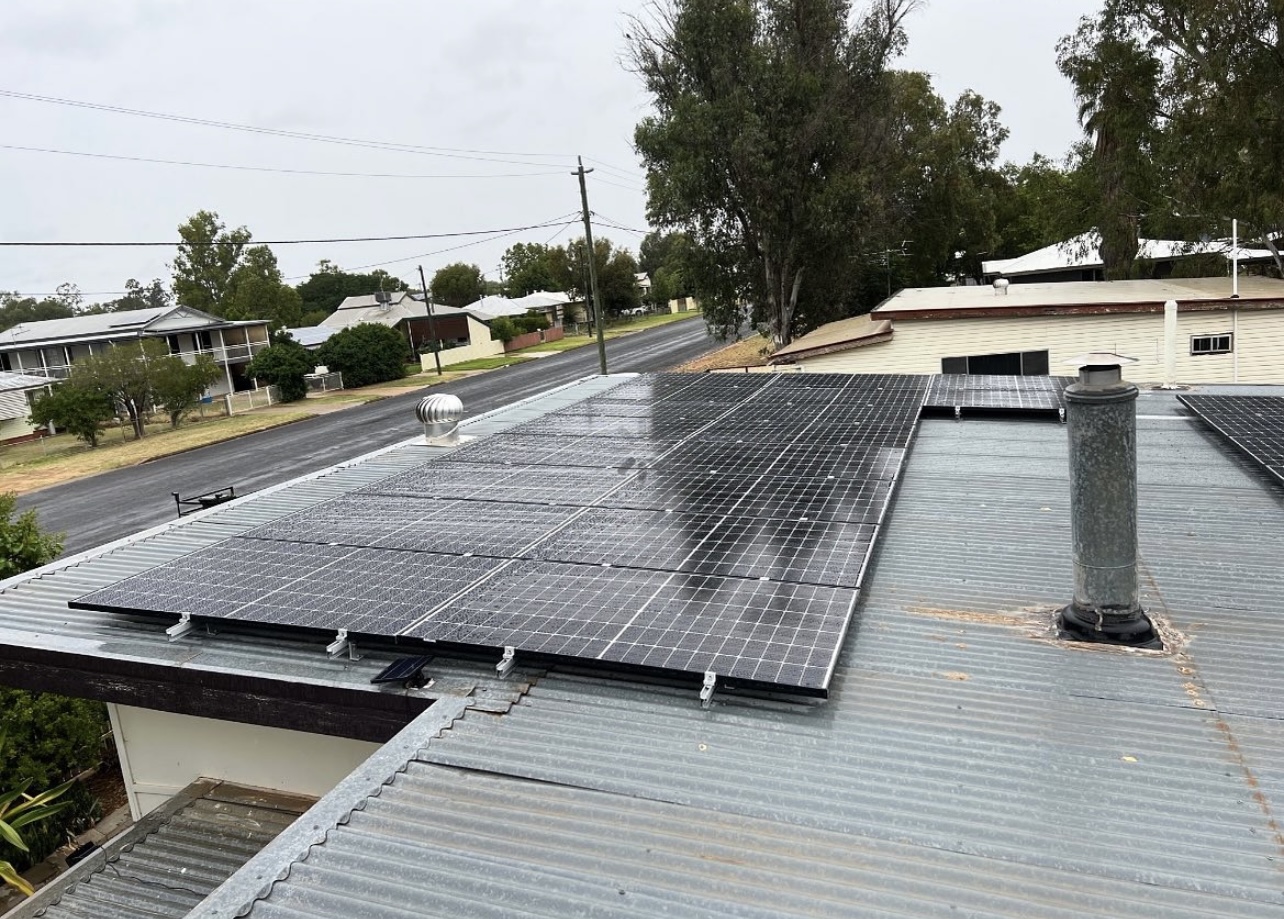
And if you are planning to get solar, do it right. Find a good company that does solar panel installation and knows their stuff. Ask them about your switchboard. A good team will include the upgrade in the quote if it is needed. They will also handle any solar inverter repairs down the track if things go wrong. And if you are adding a solar battery, they will make sure your panel is ready for it.
The Bottom Line
Your power panel is not something to ignore. It is the control centre for everything electrical in your home. If it is old, overloaded, or showing signs of wear, it is a risk.
Take ten minutes today to go and look at yours. Check for heat, smells, or sounds. Think about how old it is. Think about whether it has safety switches. Think about all the new gear you have added in the last few years.
If you are unsure, contact Ruralsolar for a look. A quick safety check could save your home.
Key Takeaways
Old panels often lack safety switches, which means no shock protection for your family.
Signs of trouble include heat, smells, buzzing, and flickering lights. Do not ignore them.
Solar systems need modern panels. If you are getting solar, your switchboard might need an upgrade first.
Batteries and inverters put extra strain on old gear. Make sure your panel can handle it.
No space in your panel means no room for new circuits. That is a sign you need an upgrade.
Insurance might not pay out if your panel is old and non-compliant. Upgrade to protect yourself.
A licensed sparky can upgrade your panel in a day. It is an investment in safety.
